
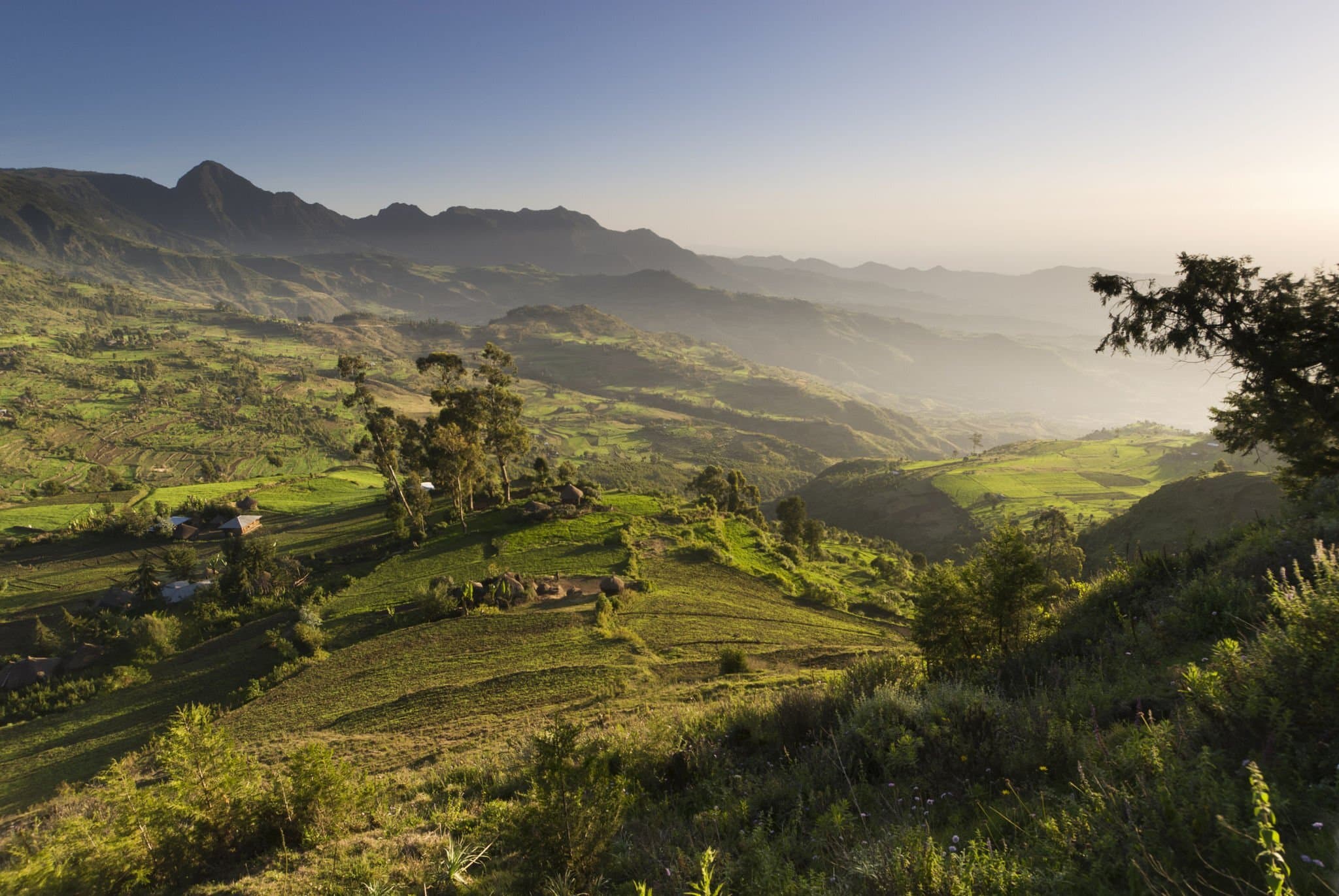
What International Producers Need to Know Before Filming in Ethiopia
Ethiopia is one of Africa’s most visually striking and culturally layered destinations. From the otherworldly landscapes of the Danakil Depression to the historic architecture of Lalibela and the urban energy of Addis Ababa, the country offers a rare production backdrop.
However, filming in Ethiopia requires structured planning, regulatory understanding, and strong local coordination. For international producers, preparation is the difference between a smooth shoot and operational friction.
This guide outlines the essential factors to consider before bringing your production to Ethiopia.
1. Filming Permits and Regulatory Framework
Professional productions generally require official authorization before filming begins. This includes feature films, documentaries, commercials, branded content, and broadcast media.
- Permits may vary depending on:
- Type of production
- Locations (urban, rural, heritage sites, government areas)
- Equipment scale
- Use of drones or specialty gear
Early engagement with local coordinators ensures documentation is accurate and timelines are realistic. Delays often occur not because permits are impossible — but because applications are incomplete or submitted too late.
Best practice: Begin permit discussions during early pre-production, not after flights are booked.
2. Customs & Equipment Importation
Bringing professional camera, lighting, and audio equipment into Ethiopia requires careful planning.
Producers should consider:
- Temporary import structures (e.g., ATA Carnet where applicable)
- Detailed equipment manifests
- Serial number documentation
- Proof of re-export
Without structured documentation, equipment can be delayed at entry points. Proper coordination before arrival significantly reduces risk.
Some productions choose a hybrid model:
- Import specialized gear
- Rent grip, transport, or support equipment locally
This reduces customs exposure and overall logistics complexity.
3. Location Planning & Terrain Considerations
Ethiopia’s geography is diverse and dramatic — but that diversity requires logistical awareness.
Key considerations:
- Remote terrain access
- Seasonal weather impact
- Road conditions outside major cities
- Accommodation capacity near filming sites
For example, highland regions differ significantly from desert areas in terms of accessibility and infrastructure. What appears geographically close on a map may require extended travel time.
A structured recce and logistics plan ensures:
- Accurate scheduling
- Fuel and transport planning
- Backup contingencies
4. Working with Local Crew & Fixers
A knowledgeable local fixer is not a luxury — it is a strategic asset.
An experienced fixer helps with:
- Government liaison
- Community engagement
- Location access negotiation
- Language mediation
Local crew can support:
- Production coordination
- Transportation management
- Translation services
- Technical assistance
Beyond logistics, cultural awareness matters. Ethiopia is diverse, with multiple languages and traditions across regions. Respectful coordination protects both your production and your reputation.
5. Security & Risk Planning
Security requirements depend on the scale and visibility of your production.
Factors to evaluate:
- Public filming environments
- High-profile talent
- Crowd exposure
- Remote area access
Structured planning may include:
- Site assessments
- Controlled perimeters
- Secure transport coordination
- Discreet VIP handling
Most productions operate smoothly with proper planning. Risk arises when security is reactive instead of proactive.
6. Budgeting Realistically
Under-budgeting international shoots is common. Ethiopia can be cost-efficient compared to many markets — but realistic allocation is still essential.
Budget categories to account for:
- Permit processing
- Location access fees
- Transport fleet coordination
- Local crew rates
- Customs support
- Security management
A well-built production framework prevents costly last-minute adjustments.
Final Thoughts
Ethiopia offers cinematic landscapes, powerful human stories, and rich visual contrast. For international producers, success depends on structured planning, regulatory clarity, and reliable local coordination.
With the right groundwork, filming in Ethiopia is not only achievable — it can be operationally efficient and creatively extraordinary.